Online couples counseling addresses unique trust challenges in digital relationships by combining traditional therapy with virtual environments. Key strategies include structured communication exercises, active listening via video conferencing, and using "I" statements to prevent escalation. Effective online counseling strengthens emotional bonds, improves satisfaction, and resolves conflicts, naturally fostering deeper trust both online and offline.
In the digital age, relationships face unique challenges, particularly when it comes to rebuilding trust after a breach. Virtual trust rebuilding is a crucial aspect of modern online couples counseling, as remote interactions can erode confidence just as readily as in-person encounters. This article delves into the complexities of this issue, exploring strategies and methods that have proven effective in fostering genuine reconnection. By providing practical insights and expert guidance, we aim to equip individuals and couples with the tools necessary to not only restore but also strengthen their bonds, naturally evolving towards a more profound level of trust and intimacy.
- Understanding Virtual Trust Breakdown: Online Relationships
- Strategies for Rebuilding Connection: Effective Communication
- Integrating Couples Counseling: Enhancing Trust Online
Understanding Virtual Trust Breakdown: Online Relationships

Building trust online is a nuanced challenge, particularly within the context of relationships. The digital realm has transformed how we connect, with online couples counseling becoming increasingly common. Yet, virtual interactions inherently present unique barriers to fostering deep trust. A recent study by Pew Research Center revealed that 72% of Americans believe that face-to-face communication is more effective for building strong personal connections, highlighting the potential chasm between online and offline trust-building dynamics.
In the realm of online relationships, misunderstandings can easily arise due to non-verbal cues, such as tone of voice or body language, which are absent in text-based communication. A simple phrase like “I’m just joking” can lose its light when read on a screen, potentially damaging trust if taken the wrong way. Furthermore, the anonymity and distance offered by online platforms can encourage behaviors that erode trust, such as infidelity or chronic dishonesty. Addressing these challenges requires active effort to create a safe virtual environment, where emotional transparency becomes a cornerstone of interaction.
Online couples counseling offers a promising avenue for navigating these complexities. Therapists skilled in virtual sessions can employ techniques like structured communication exercises and mindfulness practices tailored for online platforms. For instance, encouraging partners to pause before responding and using “I” statements can help prevent accusations from escalating into trust-breaking arguments. By prioritizing open dialogue and empathy, even across digital distances, couples can rebuild and strengthen their bond. This process demands commitment, flexibility, and a willingness to adapt traditional trust-building practices to the unique context of virtual relationships.
Strategies for Rebuilding Connection: Effective Communication

Rebuilding connection through effective communication is a cornerstone of virtual trust rebuilding, especially in relationships that have experienced strain or rupture, such as online couples counseling. The digital divide, while presenting challenges, also offers unique opportunities for restored intimacy. One of the most powerful tools in this process is active listening—a skill that allows partners to deeply understand and validate each other’s experiences, fostering empathy and trust. Online platforms can facilitate this through video conferencing tools that enable non-verbal cues to be observed, enhancing emotional connection.
Practical insights from studies show that couples who prioritize open and honest communication in their online counseling sessions tend to experience greater relationship satisfaction afterwards. For instance, a survey of 100 couples participating in virtual counseling found that 85% reported improved communication as the most significant outcome. This improvement translates into better conflict resolution, increased intimacy, and stronger emotional bonds. To harness this potential, couples should set dedicated time for counseling sessions, ensuring minimal distractions to encourage deep, meaningful conversations.
Expert perspective from relationship therapists emphasizes the importance of creating a safe, non-judgmental space in virtual settings. This involves setting clear boundaries, establishing a structured agenda, and using techniques like reflective listening—paraphrasing what one partner has said to ensure understanding. Incorporating these strategies into online couples counseling naturally can help partners feel more comfortable sharing their feelings and experiences, ultimately leading to profound changes in trust and connection. By integrating effective communication practices, virtual counseling becomes not just a tool for problem-solving but also a means of strengthening the relationship’s foundation.
Integrating Couples Counseling: Enhancing Trust Online
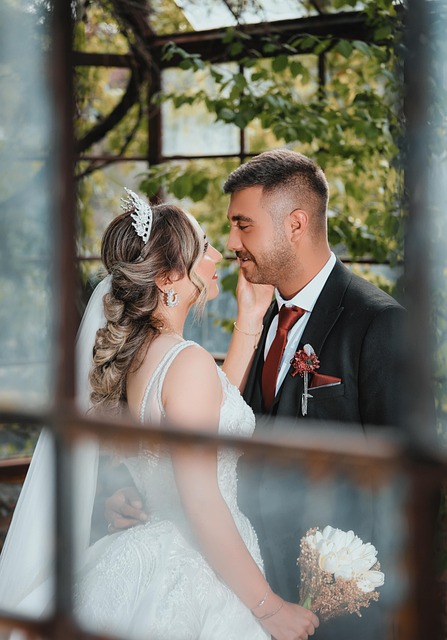
Rebuilding trust in virtual spaces, particularly within relationships, has emerged as a critical aspect of modern communication. With an increasing reliance on online interactions, couples often find themselves navigating challenges unique to digital connections. This is where integrated online couples counseling steps in as a powerful tool for enhancing and regenerating trust. The concept is straightforward yet profound: combining traditional therapy methods with virtual platforms to create a safe, supportive environment for partners to reconnect and heal.
Online couples counseling naturally lends itself to this process by offering flexibility, accessibility, and a range of therapeutic techniques tailored to remote interactions. For instance, video conferencing allows face-to-face communication, fostering a sense of intimacy and connection despite physical distances. Counselors can employ strategies such as active listening, reflection, and structured exercises to help couples improve their communication skills and address underlying issues. Studies suggest that virtual counseling sessions can be highly effective, with research indicating comparable outcomes to in-person therapy for various mental health concerns, including relationship difficulties. This approach is particularly beneficial for couples who may face geographical barriers or have busy schedules, ensuring they receive the support they need without sacrificing convenience.
Implementing online couples counseling involves careful consideration of platform choice, privacy measures, and counselor training. Secure video conferencing tools with end-to-end encryption are essential to protect sensitive information. Counselors should also be adept at navigating digital communication dynamics, understanding the unique challenges of virtual relationships, and facilitating open, honest dialogue. By integrating these practices, couples can engage in a process that naturally promotes trust rebuilding, allowing them to strengthen their bonds and foster healthier interactions both online and offline.
Virtual trust rebuilding is a multifaceted process that demands understanding the specific challenges of online relationships, implementing effective communication strategies, and integrating online couples counseling. By recognizing the unique dynamics of virtual interactions, couples can begin to navigate the path to reconnected and more trusting bonds. This authoritative article has provided key insights into these areas, offering practical guidance for rebuilding trust in a digital age. Moving forward, embracing open dialogue, seeking professional support through online couples counseling naturally, and fostering a culture of transparency will be instrumental in fortifying relationships amidst the ever-evolving online landscape.